

Refractory mortar, also known as fireclay or joint filler, is a high-temperature bonding material used primarily for laying refractory bricks. It consists of refractory powders combined with specific binders and plasticizers. The most valued properties of a high-quality refractory mortar include good plasticity for easy application, high bonding strength to create durable joints, and a refractoriness of up to 1650°C±50°C. Additionally, excellent slag resistance and thermal spalling resistance are critical for long-term performance in aggressive high-temperature environments.
Depending on the application, refractory mortar can be classified into several types: clay-based, high-alumina, silica-based, magnesia-based, and chemically bonded mortar. Each type serves different temperature ranges and chemical conditions. Common end-use equipment includes coke ovens, glass furnaces, blast furnace hot blast stoves, and various industrial kilns. For procurement professionals, selecting the correct mortar type is essential to maximizing lining life and minimizing maintenance costs. Always request technical data sheets and test reports before making a decision.
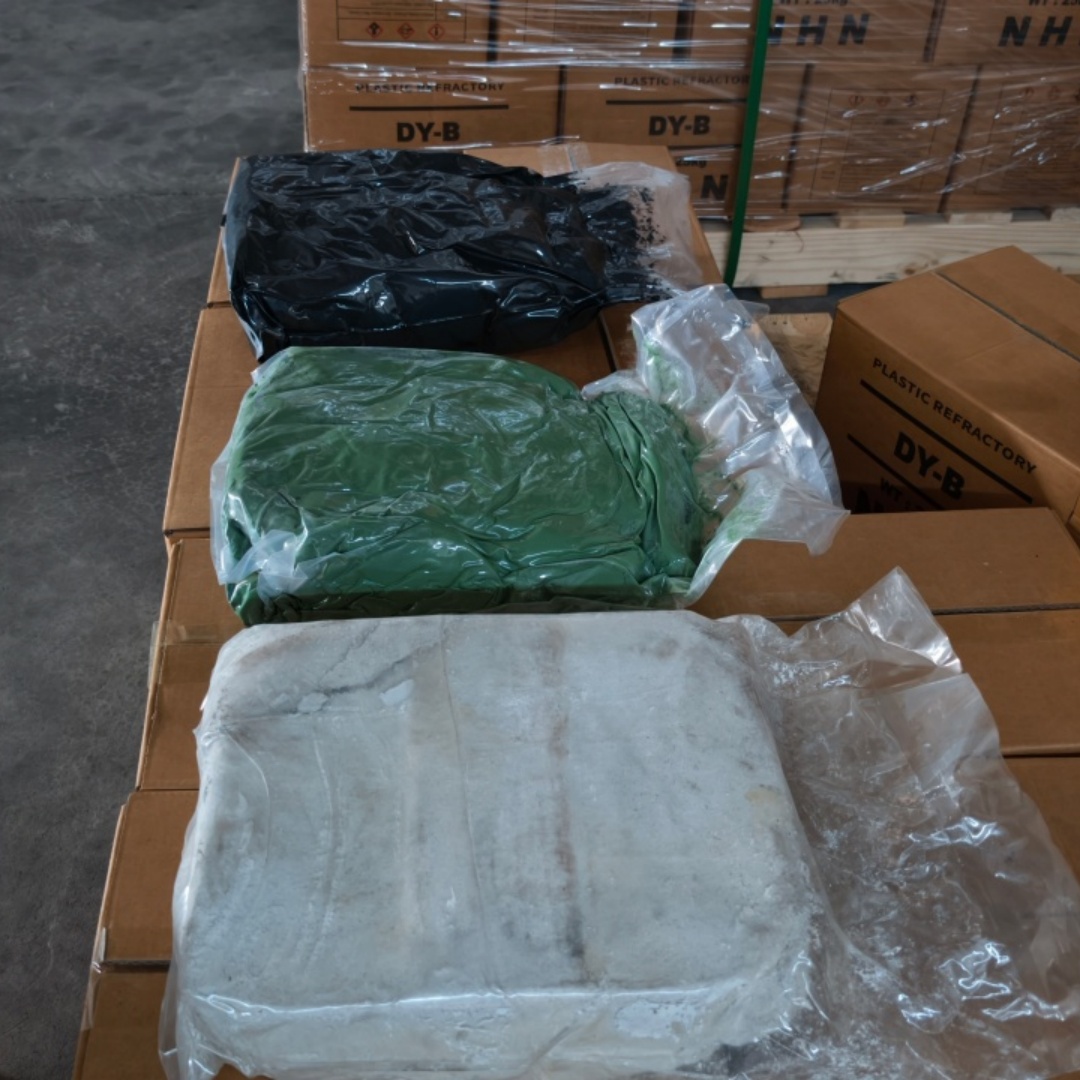
Depending on the application, refractory mortar can be classified into several types: clay-based, high-alumina, silica-based, magnesia-based, and chemically bonded mortar. Each type serves different temperature ranges and chemical conditions. Common end-use equipment includes coke ovens, glass furnaces, blast furnace hot blast stoves, and various industrial kilns. For procurement professionals, selecting the correct mortar type is essential to maximizing lining life and minimizing maintenance costs. Always request technical data sheets and test reports before making a decision.